Why Skool is THE Platform for Coaches in 2024 (5 Reasons)
If you’re a coach or educational creator, you need to understand why the Skool platform has become the most important place to build your online business right now. In my video, I break down five compelling reasons why this moment represents a massive market shift that you cannot afford to ignore.
The timing has never been better to establish your presence on this rapidly growing platform.
I walk you through the specific changes happening in real-time and why acting now gives you a strategic advantage.
The Explosive Growth That Changes Everything
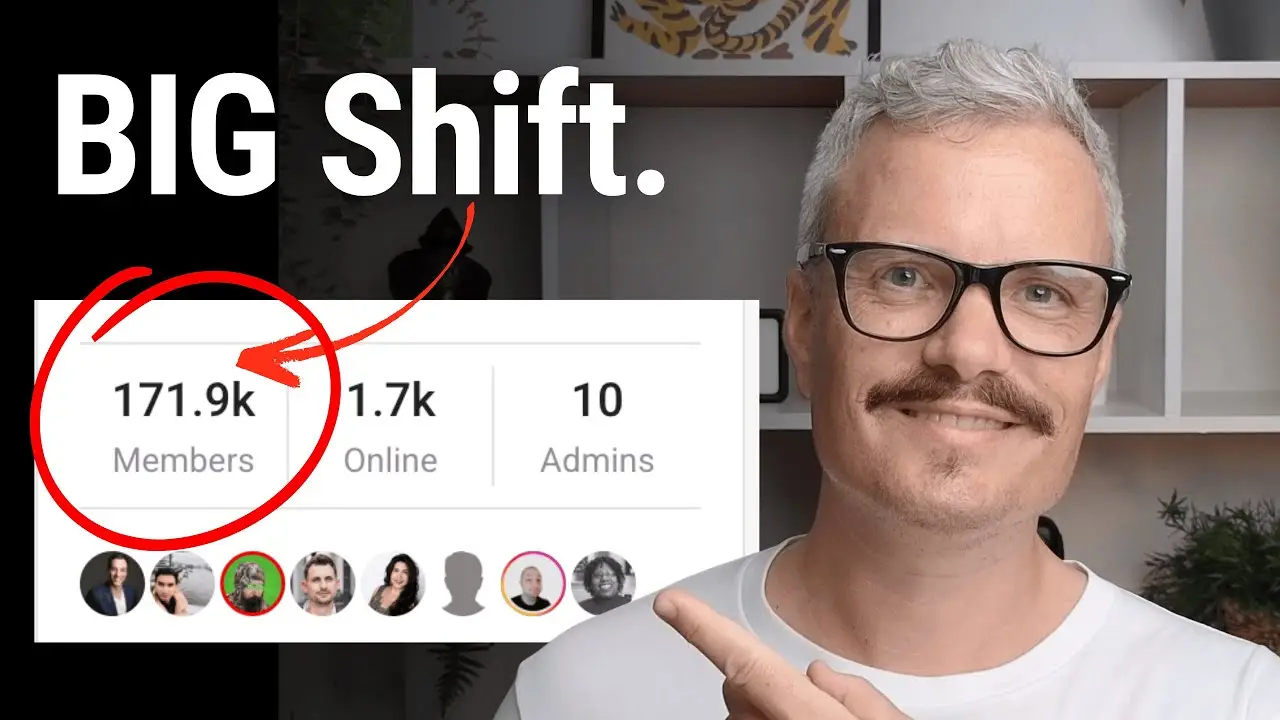
The first reason I’m now completely all-in on Skool is the unprecedented growth surge I’ve witnessed following Alex Hormozi’s record-breaking book launch. In my video, I explain how the number of communities on the platform has skyrocketed by well over 120% in less than a week. We went from approximately 68,000 to 69,000 communities to over 172,000 communities in just days.
To put this growth in perspective, I compare it to other established platforms in my video. Kajabi has approximately 80,000 creators according to Google AI, while Teachable sits at around 200,000 users. Patreon claims about 300,000 creators, though many of those are inactive free accounts. What makes Skool remarkable is that it’s gaining momentum at an accelerating pace, and even as the initial launch hype settles, organic growth continues to build.
This isn’t just about raw numbers. The ecosystem itself is rapidly maturing, which means more opportunities for discovery, cross-pollination between communities, and a network effect that didn’t exist on the platform even a month ago. When you have this kind of critical mass forming, early movers gain disproportionate advantages.
The Game-Changing $9 Account
The second reason I highlight in my video is the introduction of the $9 per month account tier. This pricing move is nothing short of revolutionary for coaches and educators who want a complete business hub without breaking the bank. For nine dollars, you get virtually everything you need to run an online education business—course hosting, native video uploads, community features, payment processing, and member management.
I explain how this creates what I call a simple two-step business model when you combine YouTube with Skool. YouTube becomes your traffic and authority engine, while Skool serves as your conversion and nurture hub where you offer community access, online courses, or coaching. You don’t need complex funnel software, multiple course platforms, or elaborate tech stacks anymore.
The platform takes on all the complexity and risk associated with payment processing, affiliate management, and course hosting. While the $9 tier doesn’t include some advanced features like certain API integrations and premium discovery placements, it provides everything essential for building a profitable education business. In my video, I note this is clearly a strategic move by Skool to dominate the market, and they’re likely not making significant profit at this price point—they’re investing in growth and market share.
The Ecosystem Effect and Discovery Advantage
My third reason focuses on what I call the ecosystem effect that’s now emerging on Skool. With thousands of new communities launching, many established businesses are migrating their email lists, Facebook groups, and other community members to the platform. This creates a massive influx of not just community owners but general users—people who join and participate in communities.
I share in my video that according to trusted sources, approximately 100,000 new daily users are hitting the platform. This matters enormously because it means you’re not solely dependent on your own marketing efforts to grow your community. I reference Sam Ovens noting that roughly one in five new signups—about 20%—come from within Skool itself through discovery and recommendations.
This is where Skool begins to replace Facebook’s former dominance. When people already have the app on their phones and their payment details stored in the system, the friction to joining additional communities drops dramatically. They’re not downloading new software, creating new logins, or entering credit card information repeatedly. The more communities that exist, the more valuable the entire ecosystem becomes for everyone—a true network effect.
Unlike Facebook groups with their algorithmic feed, Skool gives you direct access to all your members. I explain in my video that this makes it function like an email list on steroids—you can reach everyone without worrying about algorithm changes suppressing your visibility.
Superior Member Nurturing and Communication
The fourth reason I cover is the platform’s exceptional ability to help you nurture your audience and build trust. As a coach or educator, the most effective sales strategy isn’t aggressive marketing tactics—it’s building genuine relationships and trust over time. This is why I advocate for combining YouTube content with a Skool community.
I personally dislike traditional email marketing, but I recognize the need for a way to consistently reach my members and contacts. Skool provides multiple communication channels within one hub—posts, comments, notifications, direct messages, and even email functionality. You can send emails through the system or export your member list to use with external email platforms if you prefer.
What I emphasize in my video is that this multi-channel communication enables you to convert members into customers without being salesy. When you can organically nurture people through valuable content and genuine interaction, they naturally develop the trust needed to invest in your products and services. You’re not relying on scarcity tactics or aggressive launch sequences—the trust itself becomes the conversion mechanism.
Having everything centralized in one place makes the entire process more enjoyable and sustainable. I explain that I genuinely like being in the Skool ecosystem and using the tool, which makes it easier to stay consistent with member engagement. This consistency and presence is what ultimately builds the relationships that drive long-term business growth.
Riding the Momentum of Market Shifts
My fifth and final reason is about recognizing and capitalizing on major momentum shifts in the market. I’ve been working full-time in online marketing for about 11 years, with another four years of related business experience before that, giving me a 15-year window to observe how markets evolve. In my video, I walk through the major waves I’ve witnessed—from websites to email marketing to webinars to marketing funnels.
The current shift is toward community as the new funnel. You can see this in how other major players are entering the space with platforms like Stan Store and similar tools. These community-focused platforms tried to emerge about 10 or 11 years ago but failed because Facebook was too dominant and already had the app in everyone’s pocket. Now the conditions are right for this shift to succeed.
I explain that whenever you see multiple successful people and companies moving in the same direction, it signals a genuine market transformation. They sense opportunity—they smell blood in the water, as I put it in my video. This creates a wave effect, and the smartest strategy is to ride that wave rather than swim against it or sit on the sidelines watching others benefit.
This doesn’t mean abandoning what’s currently working for you. But it does mean recognizing where the market is heading and positioning yourself accordingly. The coaches and educators who establish themselves on Skool during this growth phase will have significant advantages over those who wait until the platform is saturated with competitors.
If you want more training on implementing Skool and YouTube together, I offer free access to my community where I provide detailed guidance on this two-step business model. The combination of these platforms creates what I believe is the most straightforward path to building a sustainable online education business in today’s market.