Why Community-Driven Business Models Are Replacing Online Courses
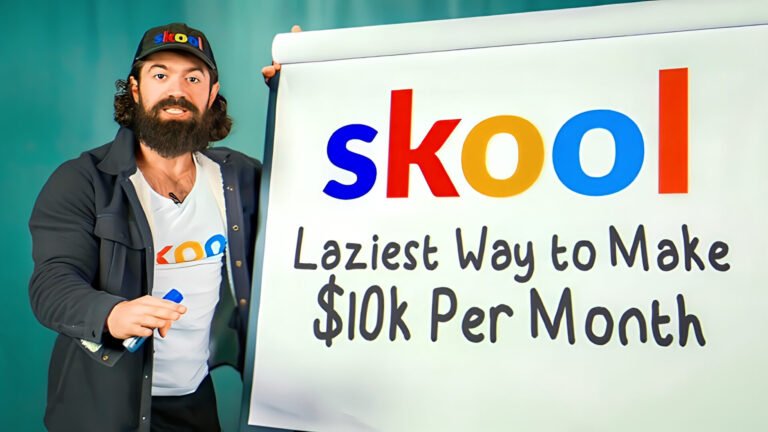
In my video, I break down why community-driven business models are replacing traditional online courses and one-on-one coaching—and why platforms like Skool are at the forefront of this shift. If you’re a coach, creator, or thought leader struggling to monetize your audience or feeling burnt out from trading time for money, this is the model that can change everything.
I explain the exact blueprint for building what I call a “cult brand”—a mission-driven movement that creates loyal customers, scalable income, and a legacy that doesn’t depend on you showing up for every single transaction.
In this conversation, I sit down to discuss the golden opportunity in today’s economy and how you can leverage community to build something truly sustainable.
Why Community Is the Golden Opportunity Right Now
In my video, I explain that people are craving like-minded communities more than ever before. With so much disconnection in the modern world, the ability to bring people together around shared values and a common mission is an incredible value add to any product or service. Previously, many coaches simply delivered video trainings in isolation, but when you can actually connect your members and foster a shared mission, it becomes a massive competitive advantage.
I recommend Skool as an absolute awesome platform for building these communities. The founder, Sam Ovens, previously ran consulting.com and helped a ton of online coaches make serious money. Now, with Skool, he’s created a tool specifically designed for bringing together engaged, mission-driven groups. This platform makes it easy to combine courses, coaching, and community in one streamlined experience.
Learning From Human Garage: How to Build a Cult-Like Community
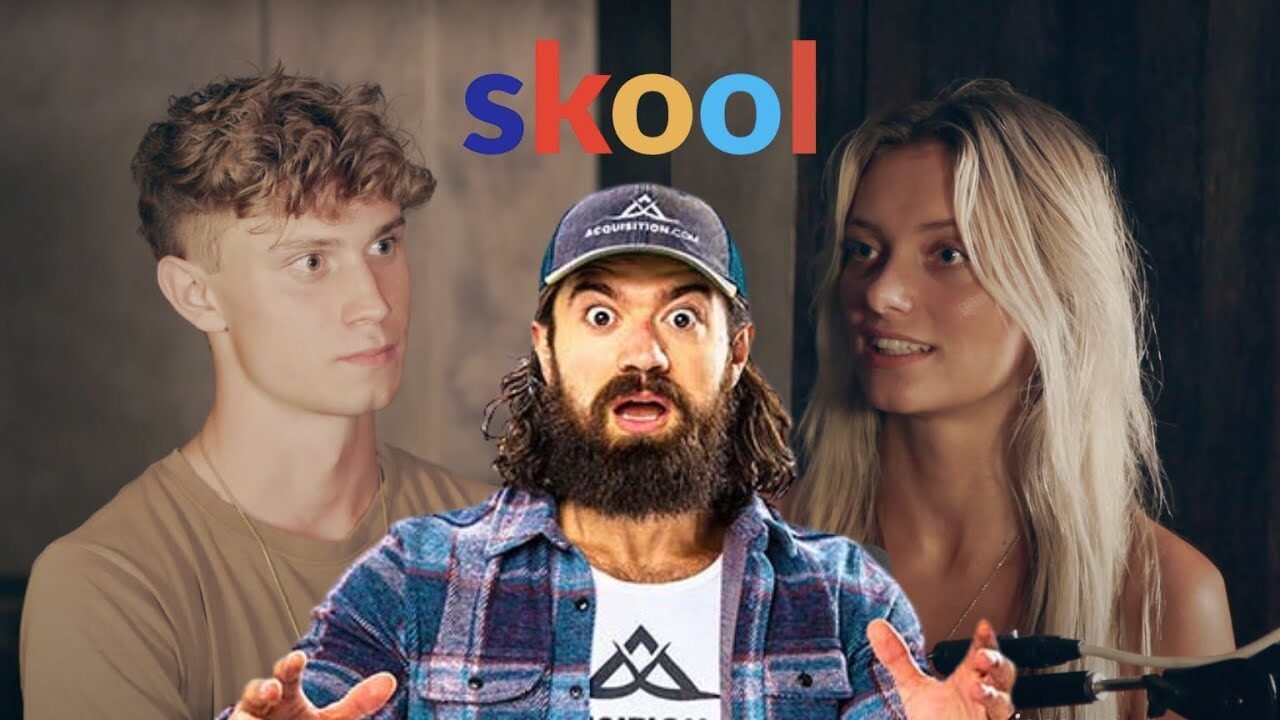
In the video, I share insights from a conversation with Jason, the founder of Human Garage, who has built a movement with almost 2 million followers across their platforms. When I asked him how they’ve cultivated such a loyal, cult-like community, he laughed and said they get called a cult all the time—and he thinks it’s actually a sign they’re doing something right.
Humanity has become so disconnected from having groups with shared values that when we finally see it, it almost feels confusing. We’ve been conditioned to think “cult, stay away,” but the truth is people want it more now than ever. Jason explained that part of Human Garage’s success comes from holding a big mission and vision and talking about it constantly. They’re bringing a new method into the world—fascial maneuvers—and they never stop communicating that purpose.
Another key element Jason shared is how they keep people connected at scale. They use Zoom calls and breakout rooms, and they watch for natural leaders to emerge. You can tell who these leaders are because people look to them when the main host steps out of the room. As these natural leaders rise, Human Garage pours into them and brings them deeper into the fold. This creates a self-sustaining ecosystem where the community grows and grows organically.
The Secret to Cult Brands: Shared Values, Individual Freedom
In my video, I dive into where most people go wrong when trying to build communities on Skool or scale a business. The mistake is trying to make everyone too similar. If you study the best cults, cultures, and even secret societies that have survived for hundreds or thousands of years, you’ll notice they all share a few key things—but outside of that, they allow room for individuality.
Take CrossFit, for example. CrossFit has a massive community and is incredibly successful. Everyone in CrossFit agrees on how you work out, but outside of that, you have the freedom to be yourself. If you want to party after CrossFit, cool—that’s your thing. Where communities fail is when they try to control everything: “No, you’re part of our tribe. You have to do everything like we do.” That rigidity actually dissolves culture and community over time.
So if you have a community-based product, the big question becomes: how do you keep people engaged, coming back, buying into your vision and mission, and ultimately getting them results? The answer lies in balancing shared mission with personal freedom.
Building a Movement vs. Just Running a Business
I explain in my video that there’s a huge difference between people who just have businesses and people who have cult brands or movements. A movement is something people feel emotionally connected to. It resonates with them. It opens their hearts, shifts their minds, and yes—shifts their wallets too. This is the difference between “Hey, we have a business, buy my stuff” and creating something people truly believe in.
The big difference comes down to having a huge vision and mission, combined with clearly defined shared values. What are the few things everyone in the community can agree on? When you nail that, you create magnetic attraction and deep loyalty.
The Problem With Traditional Business Models for Creators
Even though I’ve built a huge community with platforms reaching almost 2 million followers, I see this challenge everywhere: creators and thought leaders who still aren’t able to monetize their audience. You have all this attention—now what are you going to do with it? You need to build an actual business on the back end of your social media presence.
In my video, I break down the common paths people take and why they often fail. Many go into one-on-one coaching first. It feels freeing because you’re making income, you’ve escaped the 9-to-5, and you’ve “escaped the matrix.” But you can only scale one-on-one so far. Eventually, you’ll feel burnt out because you’ve sold all of your time.
Then people pivot and think, “I want something passive. I’ll make a course.” And that’s great—but you still have to continually sell the course. There’s only so much you can charge for a hands-off experience, and ultimately, you’re not really connecting or giving your gifts. So many people I meet genuinely want to talk to their audience, share their essence, and provide real coaching.
Why Skool Is the Perfect Business Model
This is where Skool comes in as the new golden opportunity. In my video, I explain that Skool allows you to customize your offer in a way that’s neither purely done-for-you nor purely do-it-yourself. You can do group calls once a week, have a community chat where members ask questions throughout the week, and even provide a one-time deep coaching call when someone first onboards—like we do with a strategic game plan.
After that initial call, members have access to courses they can watch through, weekly calls for ongoing coaching and face-to-face energy, and the chat to stay engaged. It’s the perfect blend of high-touch and scalability. If you’re an authority who loves connecting with people, has a big mission, and wants to start a movement while easily monetizing your personal brand, this is the model.
I also mention that Alex Hormozi recently released a book called $100 Million Money Models (following his previous books, $100 Million Offers and $100 Million Leads). While it’s not for sale yet, it’s clear he’s focusing on business models and will likely use it to promote Skool in some way. This signals just how central community-driven models are becoming.
The Biggest Mistake: Free-to-Paid Communities
In my video, I address what I believe is the biggest mistake people make when launching a Skool community: doing a free-to-paid model. I’ve met so many amazing people who tell me they moved away from one-on-ones, tried the community thing for free, and while it was great at first, people weren’t engaging. No one was showing up or using it after a while, and it wasn’t making them any money—so they had to quit.
This approach was heavily promoted by the Skool games and popularized by people like Andrew Kirby. The idea was: if you’re a big influencer, create a free community, provide a lot of value, and then people will upgrade. But in practice, this adds massive complexity to your business. Now you have to manage two communities and your social media presence.
Here’s the thing: your social media presence is already your free community. It’s much easier to use a simple call funnel to get people paying right away. It takes the same amount of effort to sell someone into a free product or a cheap product as it does to attract a higher-caliber person willing to pay more for a premium community experience. Simple scales, fancy fails.
How We Help Creators Build Successful Communities
In my video, I explain that we help creators, coaches, and visionaries build successful information products and scale their personal brands. Our community, Spark Wildfire, is designed exactly how I describe: members ask questions, and often other members answer them—not just us. That’s the power of a thriving community.
If you’re ready to map out your strategy for scaling your personal brand and business, I invite you to book a free strategy call. We’ll help you see if this model is a good fit and show you how to awaken your mission, serve the world, and create a freedom lifestyle for yourself. You can also access a free training on our exact systems.
We’re currently out here in Bali, and I’d love to see any of you who make it out this way. If you enjoyed this video and want more content on business, content creation, AI, and succeeding in this rapidly evolving economy, make sure to like, comment, and subscribe—because we have many more videos coming.