Skool Review 2024: My Honest Experience & Why I’m All In
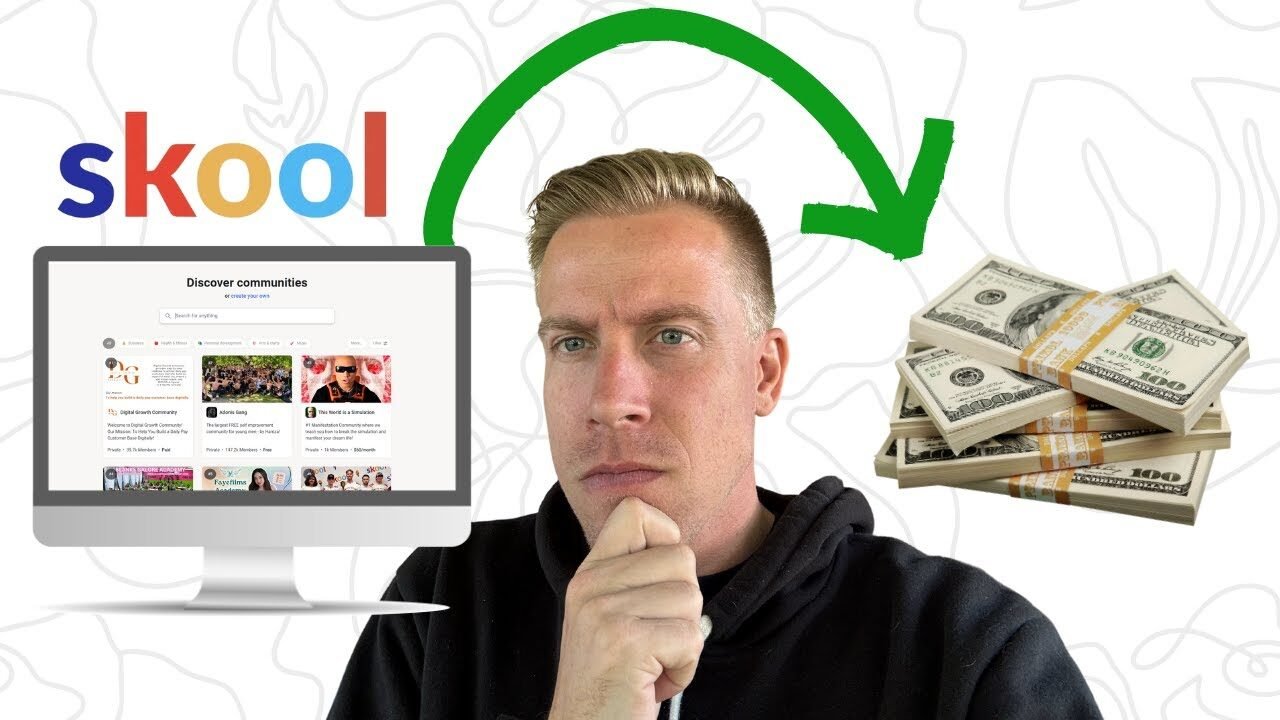
Skool has exploded in popularity, and in my video, I share my honest experience diving deep into this community-based platform to understand what makes it so special. If you’re considering using Skool for your online business or courses, this detailed review will show you exactly what to expect from a user’s perspective.
I spent significant time exploring multiple communities on the platform before creating my own, because I believe you need to become the consumer first before trying to sell anything.
In my video, I walk you through my complete experience with Skool, from joining communities to building one from scratch.
My Initial Approach to Understanding Skool
When I first decided to explore Skool, I didn’t immediately jump into creating courses or trying to monetize. Instead, I took what I consider a much smarter approach: I became a member of multiple existing communities. This platform is being heavily promoted by Alex Hormozi, which immediately caught my attention, and it’s essentially a community-based website driven by education.
Since I work in the make money online space, I started by searching for digital marketing communities. One of the first groups I joined was called Online Business Friends, and this gave me an excellent foundational understanding of how the platform operates from a member’s perspective.
The Core Features That Make Skool Different
In my video, I explain how the platform layout is surprisingly simple yet incredibly effective. When you access Skool, you start at school.com where you can discover communities. The main navigation includes several key tabs: the classroom feature, the calendar, members section, leaderboards, and the community area where most of the active discussion happens.
What struck me immediately was how clean everything felt. I describe it in my video as Facebook Groups on steroids because it takes the community concept and elevates it with better functionality and organization. The interface isn’t cluttered with unnecessary features, yet it provides everything you need to run a thriving educational community.
The Gamification System That Keeps Members Engaged
One of the most impressive features I discovered was the gamification system built into Skool. The leaderboards show different membership levels, and members can see who the top contributors are within any seven-day period. This creates a natural incentive for members to stay active and engaged within the community.
What makes this even more powerful is how some communities unlock certain courses as members progress through different tiers. This progression system means members have a reason to participate more actively, comment on posts, and contribute value to the community. It’s not just passive consumption of content—it’s an interactive experience that rewards engagement.
The Pricing Models and Monetization Potential
In my video, I showcase several communities with different pricing structures. One example I found was a community called “The World is a Simulation” charging sixty dollars per month with over a thousand members. When you do the math on these numbers, the revenue potential becomes obvious.
I also came across Nate Belmar’s community, which charges twenty-two dollars per month and has five thousand members. This demonstrates just how lucrative Skool can be if you can build a following and master the platform. The key is driving traffic to your community, whether through YouTube, TikTok, Instagram, or other social media channels.
The Exclusive Nature of Skool Communities
Something I found particularly interesting was how selective some communities are. Even free communities can decline your membership application if you don’t meet certain criteria. In my video, I show an example where I was denied access to a free community because I didn’t sign up according to their specific requirements.
This exclusivity actually adds value to the communities. It creates a sense of being part of something special and ensures that members are genuinely interested and qualified. The application process helps community owners filter out people who aren’t the right fit.
The Mobile Experience
One feature I emphasize in my video is the mobile application. Skool has a dedicated phone app that handles all messaging and notifications seamlessly. This is a massive advantage over platforms like Facebook Groups, where the mobile experience can be frustrating and clunky.
The app allows members to stay connected and engaged even when they’re away from their computers, which significantly increases the likelihood of active participation and community building.
Creating My Own Skool Community
After becoming comfortable with the platform as a member, I decided to create my own community. In my video, I walk through the process of building a group called YouTube Beginners, designed specifically for people just starting their YouTube journey. The setup process is remarkably straightforward.
Creating categories is simple—you just go to the settings tab and add them. The most important section to focus on is the About page, because this is what potential members see when deciding whether to join. In my video, I show examples of effective About pages, including one with over three hundred hours of night meditations, audiobooks, video courses, and manifestations. Having a compelling video on your About page that clearly explains what members get is crucial.
How Skool Compares to Other Course Platforms
In my experience, what differentiates Skool from platforms like Thinkific or Teachable is the integrated community aspect. I’ve been using Teachable for my courses, but it feels laggy and outdated compared to Skool. The difference is that Skool combines courses with community in one seamless platform, creating a self-sustaining ecosystem.
Traditional course platforms are designed for one-way content delivery. Skool, on the other hand, encourages interaction, discussion, and peer-to-peer learning. It’s like having your courses inside Facebook Groups, but with professional functionality and none of the distractions.
The Challenge of Growing Your Community
I’m honest in my video about the main challenge with Skool: getting people to sign up. The platform itself is excellent, but you still need to drive traffic to your community. Most successful Skool communities are built by creators who already have an audience on platforms like YouTube, TikTok, or Instagram.
This means you need to have a content strategy in place before launching your community. You can’t just create a Skool group and expect people to find it organically. You need to actively promote it through your existing channels and provide clear value propositions that convince people to join.
My Final Verdict on Skool
In my video, I make it clear that I’m all in on Skool. With Alex Hormozi backing this platform, I’m confident it’s going to become a major player in the online education and community space. The platform feels modern and mainstream in a way that older course platforms don’t.
I believe there’s a significant opportunity for early adopters who get on the platform now. Being on the cusp of new technology and platforms like this gives you a competitive advantage. If you’re considering building an online community or moving your courses to a more engaging platform, I recommend checking out Skool for yourself.
Resources Mentioned
If you want to explore Skool yourself, you can try Skool and see how the platform works firsthand. I’ve included my affiliate link in the description so you can get started and experience what I’ve been talking about in my video.