10 Proven Strategies to Grow Your Skool Community From Zero
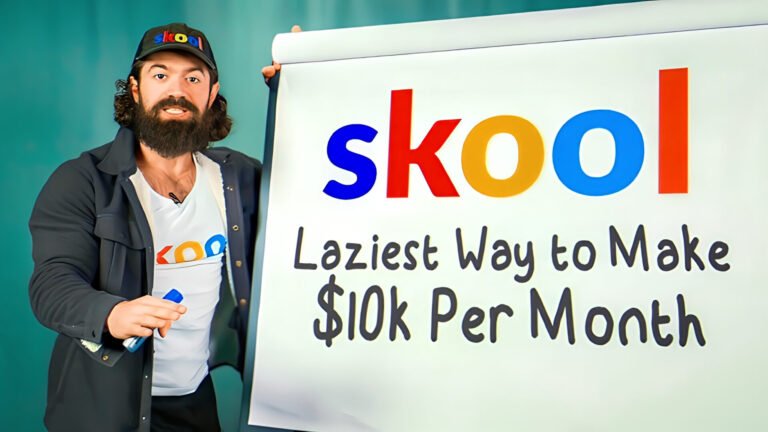
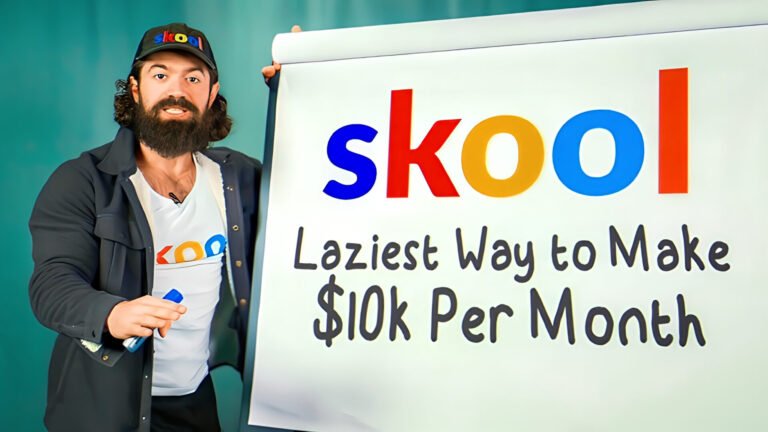
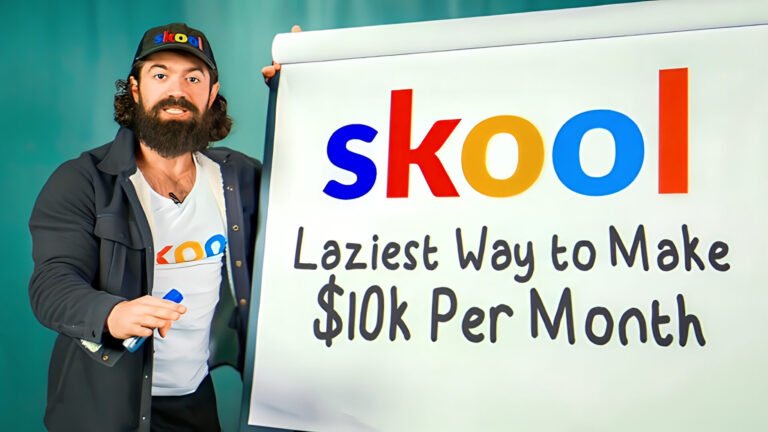
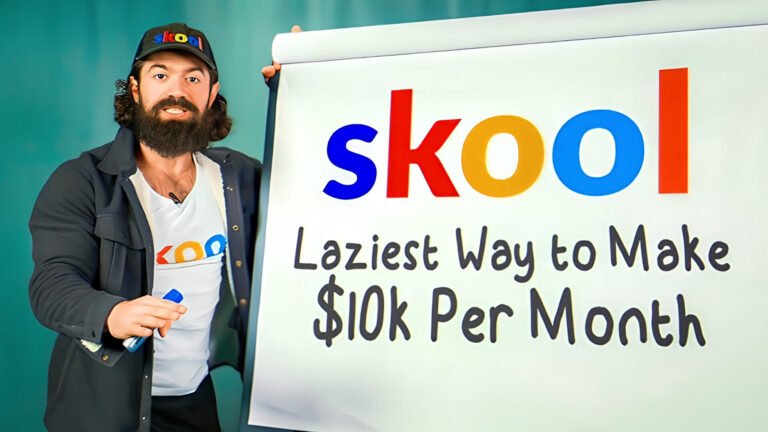
If you’re looking to build a thriving community on Skool, you need more than just an understanding of the platform—you need proven growth strategies that actually work. In my video, I break down 10 actionable tips to grow your Skool community from complete scratch to a profitable, engaged group, whether you have zero followers or an existing audience.
Most content out there focuses on how the platform works and how to make money, but very little addresses the actual growth mechanics. I’ve organized these strategies into three categories: starting with no social media following, leveraging an existing audience, and optimizing a community you already have.
Growing Your Community With No Social Media Following
When you’re starting from absolute zero, the fastest path to growth is through strategic partnerships with mid-sized influencers. In my experience, you shouldn’t aim for mega-influencers with millions of followers—they’re bombarded with pitches daily and have likely already been approached. Instead, I recommend targeting creators with 10,000 to 100,000 followers who have genuinely engaged audiences.
Before reaching out, you need to do your homework. Look through their comment sections to verify that their engagement is real, not purchased. Then, and this is critical, create your community before you pitch it. I get low-quality pitches every single day, and the ones that stand out are from people who’ve already put in the work. Show potential partners that you’re serious by having something built before asking for their help.
The second strategy I explain is email outreach done right. Don’t lead with a pitch—that’s the fastest way to get ignored. Instead, start an actual conversation by sharing your own achievements with proof, then ask if they’re struggling with something related to your niche. Once they engage, provide value first, and only then invite them to your community. If you’re offering a free group, send the link immediately. For paid communities, you’ll need to warm them up before making an offer. I’ve created free email templates inside my Modern Monetization resource to help you craft these outreach messages effectively.
The third method is classic group hacking. Join Facebook groups and free Skool communities in your niche, then post valuable content without spamming or DMing members. I welcome valuable contributors in my own community, and most group owners do the same. If you help enough people, they’ll check your profile and join your community without you having to ask. On Facebook, you’ll need to eventually convert people to Skool, which requires more finesse, but the principle remains: value first, ask later.
If you’re promoting a paid community, you absolutely must have proof of concept. Don’t launch without testimonials or results. The easiest way to get proof is by doing your work for free initially, asking only for testimonials in return. After getting three to five solid testimonials, offer your service at a discounted rate and gradually increase the price. Some people offer money-back guarantees, but I’m not a fan—it often attracts people who won’t put in effort because they know they can get a refund.
Leveraging Your Existing Social Media Presence
If you already have a social media following, your growth strategy becomes much more direct. On Instagram, I recommend keeping your bio link strategy simple and singular—link directly to your Skool group, not to a Linktree or Stan Store with ten different options. The more choices you give people, the less likely they are to convert.
I also explain how to implement MiniChat, a paid tool with a free version that automates DM responses. When someone comments a specific keyword on your post or reel, it automatically sends them a DM with your Skool link. The tool can also auto-comment, which doubles your engagement and encourages others to participate. When people reply to that auto-comment, it creates a thread that increases visibility and conversion rates.
On TikTok, the strategy mirrors Instagram—keep one link in your bio pointing to your community. Collaborate with other TikTokers to expand your reach, and always include a clear call to action in your videos. Something as simple as “Click the link in bio for more information” makes a measurable difference. For YouTube, I focus on long-form content with links in the description. YouTube Shorts are trickier since you can’t include clickable links in descriptions or comments, so you’ll need to use related videos that link back to long-form content with proper links.
LinkedIn and X (formerly Twitter) work well for text-based content about your journey, results, and proof. The key across all platforms is to focus on one channel rather than spreading yourself thin. Pick whichever platform you’re growing fastest on and go all-in there.
Funnel Hacking Your Competitors
One of my favorite strategies is funnel hacking—studying how successful communities are structured and promoted. On Skool, click the dropdown at the top right and select “Discover Communities” to browse all groups by niche. I demonstrate this by looking at health and fitness communities.
When I analyze these groups, I look at their about pages and copy to see what’s enticing people to join. Then I check who created the group and follow their profile to their social media. For example, one creator I examined has 143,000 YouTube subscribers and 240,000 Instagram followers, with only a link to his Skool community in his bio—exactly the strategy I recommend.
I also found a creator with 3.7 million Instagram followers who was making a critical mistake: using a Stan Store with multiple product links instead of a direct link to his community. This is why his Skool group wasn’t growing as much as it could. If you’re serious about growing your community, eliminate friction by providing only one clear path.
Optimizing Your Existing Community
Once your Skool community is active, engagement becomes everything. I turn on auto-DMs that welcome new members and send them a link to a post outlining the rules and resources. I also mention my community manager in these messages so members know who to contact with questions.
Beyond auto-DMs, I require members to answer three questions before joining. This serves multiple purposes: it proves they’re real people, prevents bot spam, and gives me valuable information about their experience level. In my video, I show actual membership requests and explain why I turn away certain applicants. For example, if someone is part of 30 different communities but has only made five total contributions across all of them, they’re likely just a consumer who won’t engage—and that actually hurts your community’s ranking in Skool‘s discovery algorithm.
Active engagement from you as the creator is non-negotiable. You can’t just funnel people in and disappear. Post valuable content one to three times per week, add events to the calendar, and host live workshops. Large communities implement moderators and managers who continuously create posts, DM members, and ensure questions get answered within an hour rather than 24 hours later.
While Skool hasn’t officially implemented affiliates yet, you can create your own affiliate-style system by running competitions. Offer prizes to whoever invites the most members in a month—whether that’s cash, a coaching package, or one-on-one access to you. This incentivizes your current members to promote your community through their networks, whether that’s real-life connections, Facebook groups, or other social channels.
Finally, I explain the power of deadlines and scarcity. For free communities, you can say the group will only remain free until a certain date or member count. For paid communities, implement price increases at specific milestones or offer limited bonuses for early joiners. These could include free one-on-ones, extra template packages, or exclusive resources. This is the same strategy affiliate marketers use successfully—offering bonuses that are only available through their specific link creates urgency and increases conversions.
Paid Traffic and Advanced Strategies
While paid advertising on YouTube or Facebook is possible, I caution that it’s not worth it for most communities unless you have a high price point or strong lifetime value per customer. You need excellent ad structure, compelling creative, and the numbers need to make sense—either breaking even on the front end or ensuring the LTV exceeds customer acquisition cost.
In the video, I mention that we grew our first Skool community from zero to $300,000 in our very first year, before the platform even had built-in payments. If you’re interested in starting your own community, I encourage you to use my affiliate link and DM me for a one-on-one strategy call. I’ll help you develop a game plan for growth, member acquisition, and engagement so your community doesn’t die within the first few months and you can actually see a positive ROI on your investment. Remember, you get a 14-day free trial, so there’s no risk to get started.