California Teacher on Leave After Cultural Violence Against Native Student
In my video, I cover a disturbing incident involving a California teacher who was placed on leave after a video surfaced showing inappropriate behavior toward a Native American student. This case highlights the ongoing issue of cultural insensitivity and discriminatory behavior that Indigenous students face in educational settings.
The incident, which was recorded by the student himself, has sparked serious conversations about what constitutes cultural violence in the classroom.
In this video, I break down the details of what happened and why this matters for Indigenous communities across North America.
What Happened in the Classroom
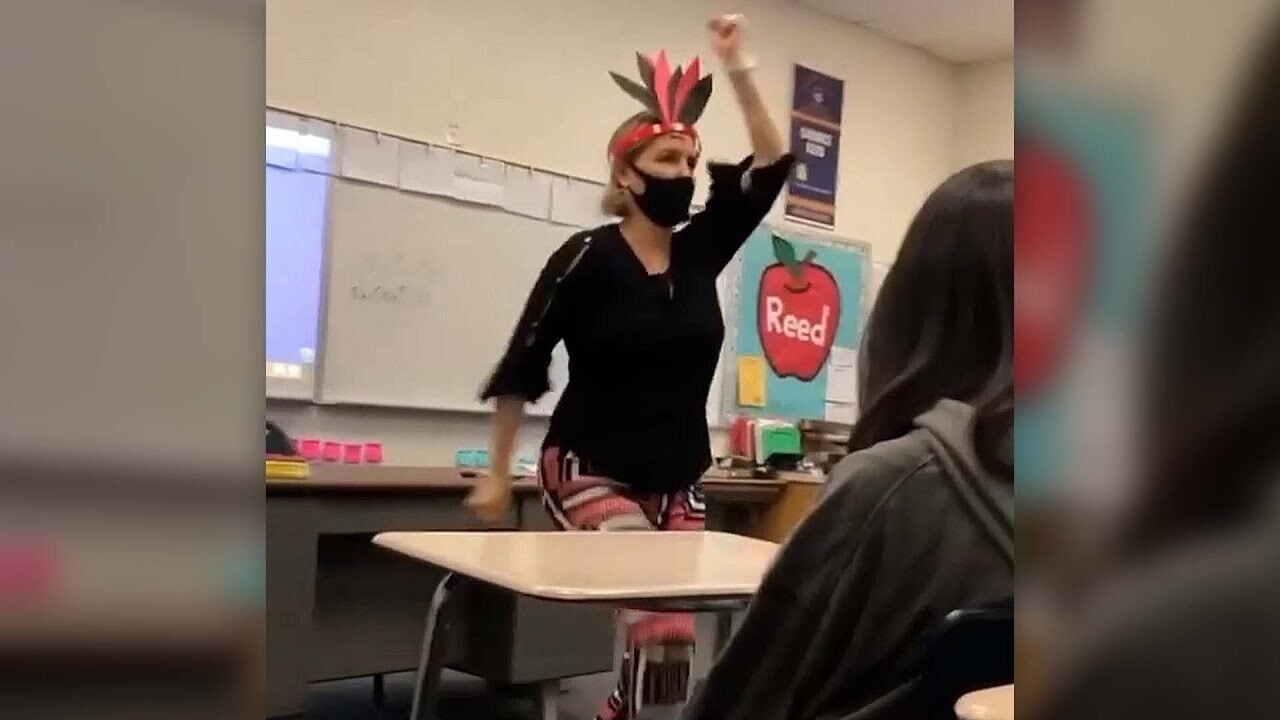
The incident that I discuss in my video involves a California teacher whose actions were captured on video by a Native American student in her class. According to the Instagram user who shared the video, the student felt compelled to record what was happening because he experienced what he described as violence being committed against him. The school district has since launched an investigation into the teacher’s behavior, and she has been placed on administrative leave pending the outcome of that investigation.
What makes this case particularly significant is that it was the student himself who recognized the harmful nature of the interaction and took steps to document it. This shows a level of awareness among young Indigenous students about their rights and the types of treatment they should not have to tolerate in educational environments. The fact that the video made its way to social media platforms demonstrates how Indigenous youth are increasingly using digital tools to hold institutions accountable.
Understanding Cultural Violence in Education
In my video, I explain that what this student experienced goes beyond typical classroom discipline or teacher-student conflict. The student’s statement that he felt violence was being committed against him is crucial to understanding the gravity of the situation. Cultural violence in educational settings can take many forms, from overt racist remarks to subtle dismissals of Indigenous identity, history, and lived experiences.
For Indigenous students, the classroom environment can sometimes feel like a continuation of historical patterns of cultural erasure and assimilation. When teachers display insensitivity or hostility toward Native American students, it echoes the trauma of residential school systems that sought to strip Indigenous children of their cultural identities. Even if the harm is unintentional, the impact on students can be profound and lasting.
The recording of this incident provides concrete evidence of what many Indigenous families have reported for generations. Too often, when Native students or their families raise concerns about discriminatory treatment, they are met with skepticism or defensiveness from school administrators. Video documentation changes the dynamic, making it impossible to dismiss or minimize what occurred.
The Importance of Student-Led Documentation
I emphasize in my coverage that the student’s decision to record the incident represents an important shift in how Indigenous youth are responding to mistreatment. Rather than suffering in silence or relying solely on adult advocates to speak for them, young Native people are documenting their experiences and sharing them with broader audiences. This creates accountability mechanisms that didn’t exist in previous generations.
The sharing of the video on Instagram, as I discuss, allowed the incident to reach audiences far beyond the immediate school community. This kind of visibility puts pressure on school districts to take complaints seriously and to conduct thorough investigations. It also creates opportunities for community solidarity and support for the affected student, showing him that others recognize and validate his experience.
School District Response and Investigation
In my video, I note that the school district took the step of placing the teacher on leave while conducting an investigation. This is a necessary first response, but as I explain, it’s only the beginning of what needs to happen. Investigations must be thorough, transparent, and centered on the student’s experience rather than focused primarily on protecting the institution’s reputation.
Too often, school investigations into incidents of discrimination become drawn-out processes that ultimately result in minimal consequences or changes. For this investigation to be meaningful, it needs to include input from Indigenous community members, examine patterns of behavior rather than treating this as an isolated incident, and result in concrete actions to prevent future harm.
Broader Implications for Indigenous Students
As I discuss in my coverage, this incident in California is not unique. Indigenous students across the United States and Canada regularly face discrimination, cultural insensitivity, and hostile educational environments. From teachers who refuse to pronounce Native names correctly to curricula that ignore or misrepresent Indigenous histories, systemic barriers to educational equity remain firmly in place.
The visibility of cases like this one serves an important purpose in raising public awareness about these ongoing issues. When incidents are captured on video and shared widely, they become harder for the broader public to ignore or deny. This can create momentum for policy changes and improved training for educators working with Indigenous students.
I explain that meaningful change requires more than just addressing individual teachers who behave inappropriately. Schools need comprehensive approaches that include mandatory cultural competency training, curriculum reform to accurately represent Indigenous histories and contemporary realities, and the hiring of more Indigenous educators and staff who can serve as mentors and advocates for Native students.
The Role of Media Coverage
In my video, I highlight the importance of Indigenous-led media outlets like APTN National News covering these stories. When Indigenous journalists report on incidents affecting Native communities, the coverage tends to be more nuanced and centered on Indigenous perspectives. This contrasts with mainstream media coverage that often focuses primarily on institutional responses or treats Indigenous concerns as secondary.
APTN National News operates with the principle of telling stories “our way,” which means prioritizing Indigenous voices and perspectives. For stories like this teacher incident, that approach ensures that the focus remains on the student’s experience and the broader context of educational inequity facing Indigenous youth rather than simply reporting the administrative details of an investigation.
I encourage viewers to follow Indigenous news sources to stay informed about issues affecting Native communities. The resources available through APTN National News, including their website, social media channels, app, and podcasts, provide ongoing coverage of stories that might not receive adequate attention in mainstream outlets. Supporting Indigenous journalism ensures that these important stories continue to be told with the depth and cultural understanding they deserve.