
Why Your Skool Community Fails (3.89% Churn Rate Solution)
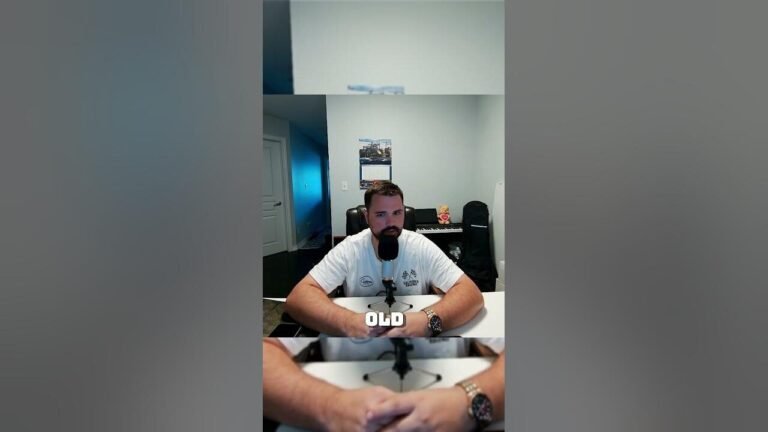
If you’re building a community on Skool and struggling with engagement or high member churn, you’re likely making one critical mistake: you’re building a teaching program instead of an actual community. In my video, I break down exactly why most Skool communities fail and how to build one where people actually stay and engage.
This approach has helped me maintain a churn rate of just 3.89% across my communities, even in groups with fewer than 100 members.
I explain the fundamental difference between communities that thrive and those that die within months of launching.
The Party Analogy: Why Most Communities Fail From Day One
In my video, I use a simple but powerful analogy to explain community building: think of your Skool community like hosting a party at your home. If you want to have 20 to 30 people at your party and create a great experience, would you invite only strangers who don’t know each other or you? Of course not. Yet this is exactly what most community creators do when they launch on Skool.
When community builders can’t find enough members organically, they resort to attracting strangers with video courses or marketing messages focused on teaching and learning. They promise to teach specific skills or deliver transformation through content-heavy approaches. The problem is that even if you successfully get 30 people to join your community this way, they won’t engage authentically.
These members will sit there passively, waiting for the gift they were promised, waiting for the courses, waiting for you to teach them something. When you do explain something, they’ll listen for a while, but after they’ve heard enough, they’ll simply leave. They won’t come back because there’s no real community connection keeping them there.
Start Small With People Who Already Know You
The approach I recommend in my video is completely different: start slow and start small. Instead of trying to launch with 50 or 100 strangers, begin your community with just five friends. These should be people who already know you and whom you already know personally.
When you host this smaller, more intimate gathering, you’ll have a great experience together. The next time you host a community event or create engagement opportunities, those five people will likely return, and they might each bring five more friends with them. This organic growth pattern creates a much stronger foundation than trying to scale immediately with strangers.
This slow-growth approach requires patience, and I acknowledge in my video that it’s not a fast-money strategy. However, in the long term, you will succeed because you’re building on genuine relationships and authentic engagement rather than transactional course consumption.
Stop Hogging The Microphone
One of the biggest mistakes I see in Skool communities is that the founder takes the microphone and never lets go. When you’re hosting a party and only you are talking the entire time, other people cannot connect with each other. Yet this is exactly what happens in most teaching-focused communities.
The community owner makes all the posts, does all the teaching, provides all the explanations, and all the other members are there simply to learn and listen. They learn to consume information from the owner of the community, but they never learn to engage with each other. This creates a hub-and-spoke model where everything revolves around you, which is fundamentally unsustainable.
In my Community Business program on Skool, I teach all of these principles, but as I show in my video, it’s not all about me. Other members like Primma, Phil, and Alexandra are posting as well. We’re doing this together, and that collaborative dynamic is what keeps engagement high and churn low.
The Foundation Is Everything
I emphasize in my video that the foundation or the start of your community is the most important part. Yes, you could host a party and give every stranger a gift worth $1,000 to entice them to come. They probably would show up for that kind of incentive. But the critical question is: will they stay? The answer is almost always no.
This is a common problem across Skool: people build communities that appear successful at first, but after a while, the engagement dies. There are no postings, no comments, and members start leaving. The result is bad churn rates that make the community unsustainable.
In my video, I show transparent insights from my own communities. I run multiple Skool communities, and in one specific example, I maintain a churn rate of just 3.89%. This is exceptional compared to industry standards, and it’s the direct result of building community the right way from the foundation.
Real Engagement In Small Communities
I demonstrate in my video that you can see consistent postings in every community I run. Even in communities with only 81 members, there is genuine engagement happening. This proves that you don’t need hundreds or thousands of members to create a vibrant community experience.
The key is building it correctly from the start. Small communities with authentic engagement will always outperform large communities filled with passive consumers. When members are actively posting, commenting, and connecting with each other, the community has real staying power regardless of its size.
Free vs Paid Communities: Understanding The Difference
In my video, I share an important strategic thought about the difference between free and paid communities on Skool. When you’re starting out, I recommend beginning with a free community to learn everything about how the platform works and how to create engagement without the pressure of delivering paid value.
A free community, as I explain, is primarily about the “what.” It’s about bringing people together around a certain topic, much like hosting that party we discussed earlier. The focus is on connection and shared interest rather than delivering a specific transformation or outcome.
A paid community, on the other hand, can become a little more about transformation. In a paid community, it’s acceptable to teach a bit more because members have invested financially and expect guidance. However, even in paid communities, you must be careful. If everything is about you and your teaching, it’s very difficult to bring down churn rates.
The paid community should be more about guiding members through a transformation together while the free community serves as a gathering place around shared interests. In both cases, but especially in paid communities, it’s crucial that other members share their experiences. You must create the feeling that we are doing this together rather than “I am teaching and you are learning.”
Join My Community To Learn More
If you’d like to learn all of these principles in depth and receive one-on-one support from me, you can join my Skool community called Community Business. There, I teach everything about building successful communities on Skool, but as I demonstrate in my video, you’ll quickly recognize that it’s not all about me. Other members actively post, share their wins, ask questions, and support each other in meaningful ways.
This collaborative environment is exactly what separates thriving communities from dying ones. When you build a space where members feel ownership and connection to each other, not just to you, you create something sustainable that will continue growing organically over time.